1990
30 May
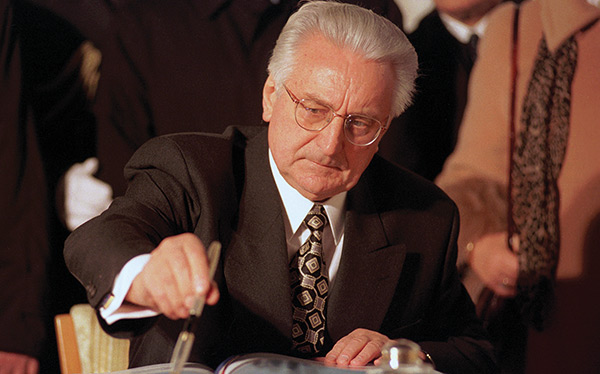
Photo: HINA
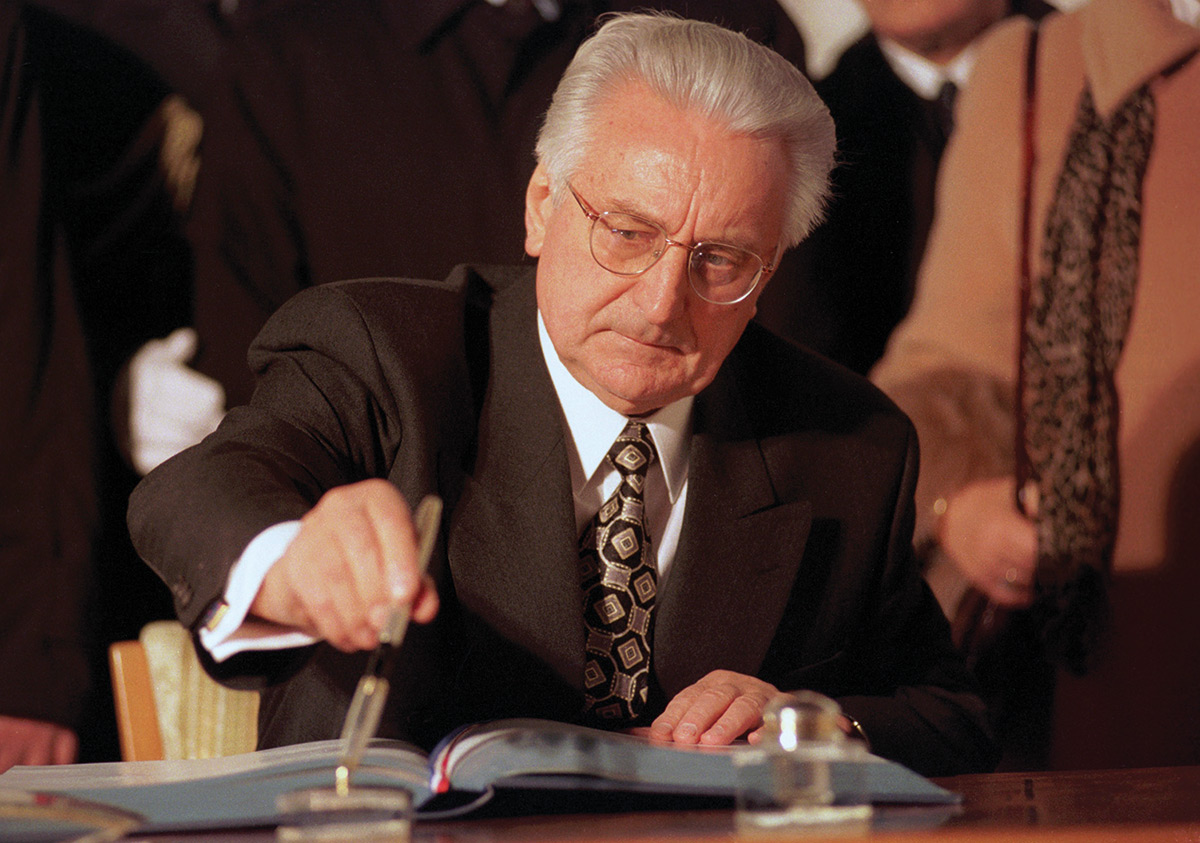
Franjo Tuđman elected president by Parliament in the first democratic elections
Almost parallel to the fall of the Berlin Wall in November 1989, on 25 July 1990, just one day after the first free elections, and though still part of the Yugoslav Communist Federation, the pluralist Croatian Parliament (Sabor) elected Franjo Tuđman, former member of the resistance, dissident and leader of the Croatian Democratic Union (HDZ), as the head of the Socialist Republic of Croatia, renamed the Republic of Croatia (Croatian: Republika Hrvatska). Dating back to the early Middle Ages and embodying state continuity since the Kingdom of Croatia (10th century), the Sabor is one of the oldest parliaments in Europe. Remarkably, Latin was its official language from the 13th century until 1847, when it was replaced by Croatian.
1990
17 August
Photos: Nikola Vukošić (top left), Hrvatski vojnik (bottom left), Wikipedia (right)
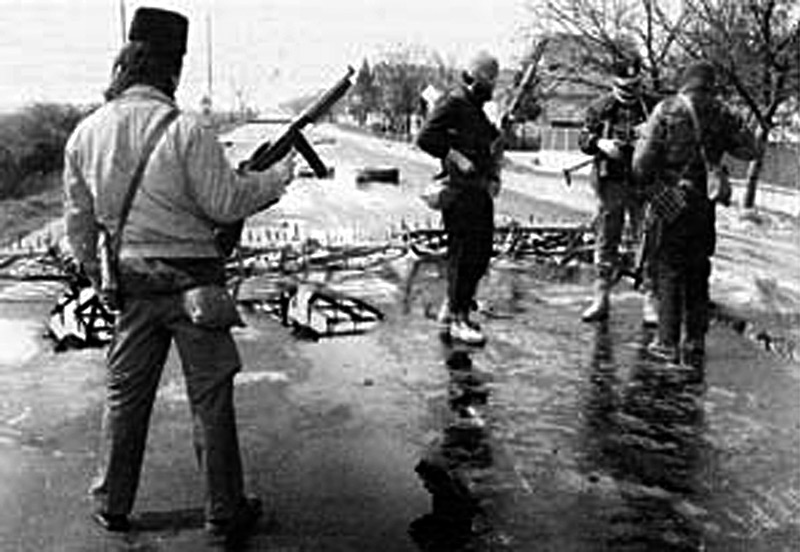
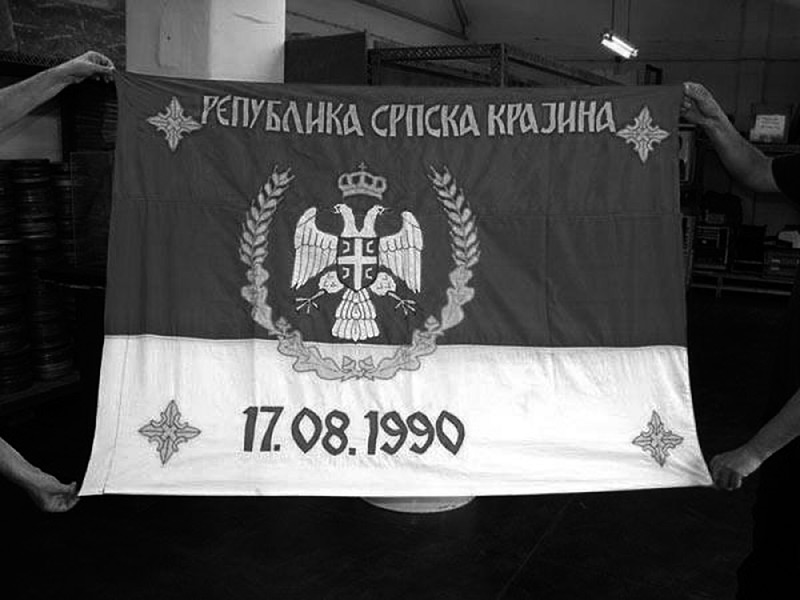
Beginning of the armed insurgency by Serb separatists
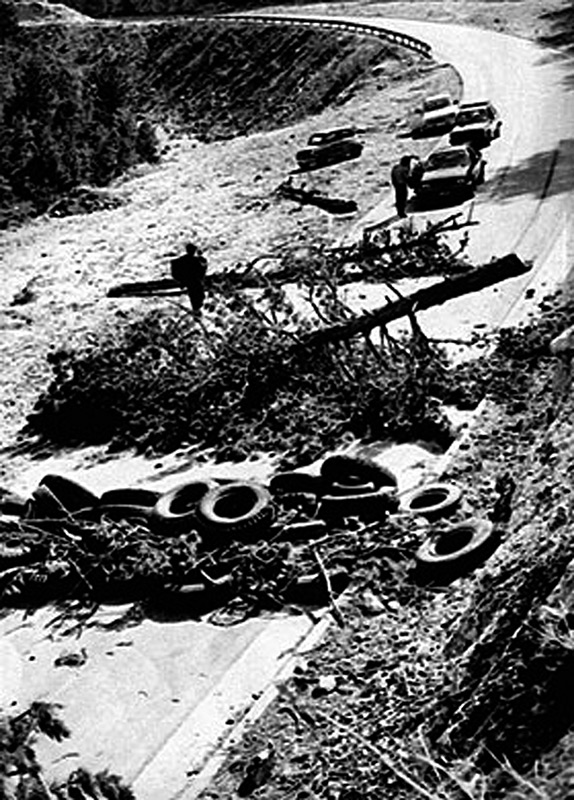
On the outskirts of villages where Serbs constituted a significant minority (12% of the population), armed militiamen, who did not recognize the new Croatian democratic government, set up numerous roadblocks to disrupt communications between the north and south of Croatia. The Yugoslav Army, predominantly composed of Serbs, armed them, lent support and prevented Croatian police from intervening. After the illegal referendum on 21 September, they self-proclaimed the "Autonomous Region of Krajina" over a quarter of the Croatian territory that they intended to unite with Serbia.
As the rest of Central and Eastern Europe moved towards democracy, a troubled period commenced in Croatia that would soon lead to war.