Peace negotiations in Dayton
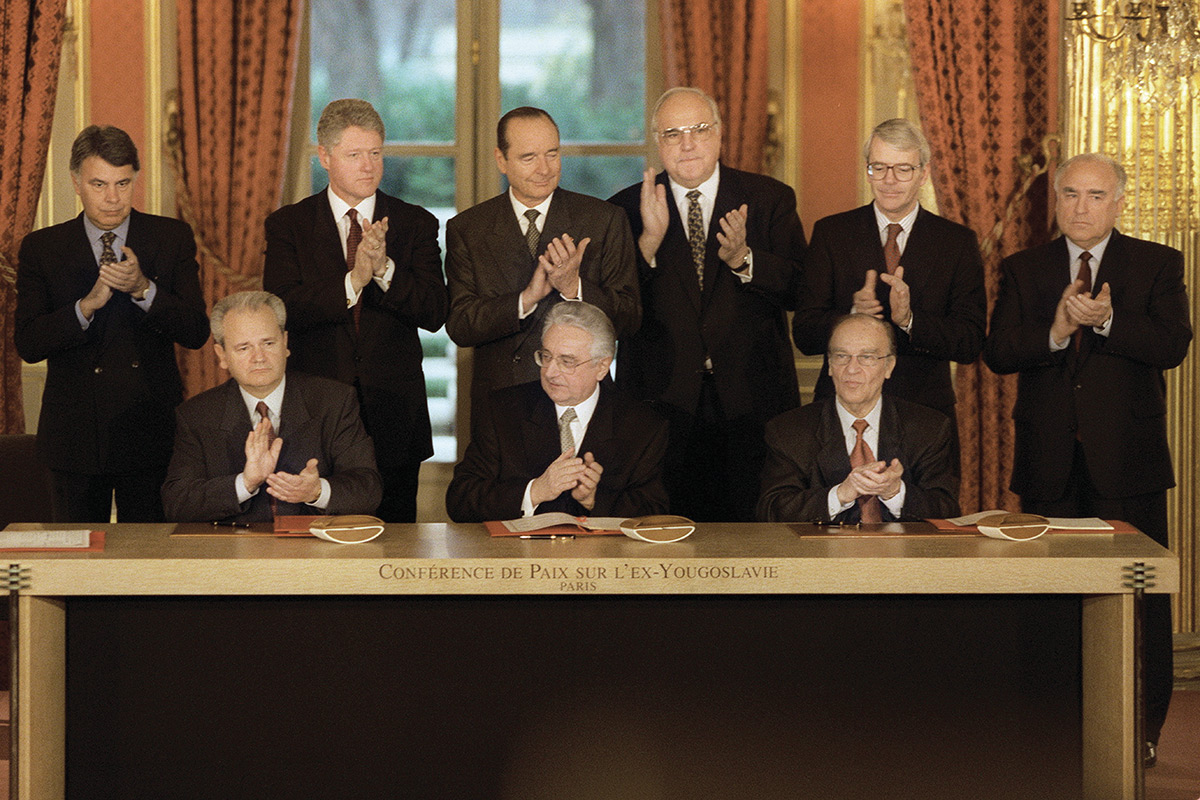
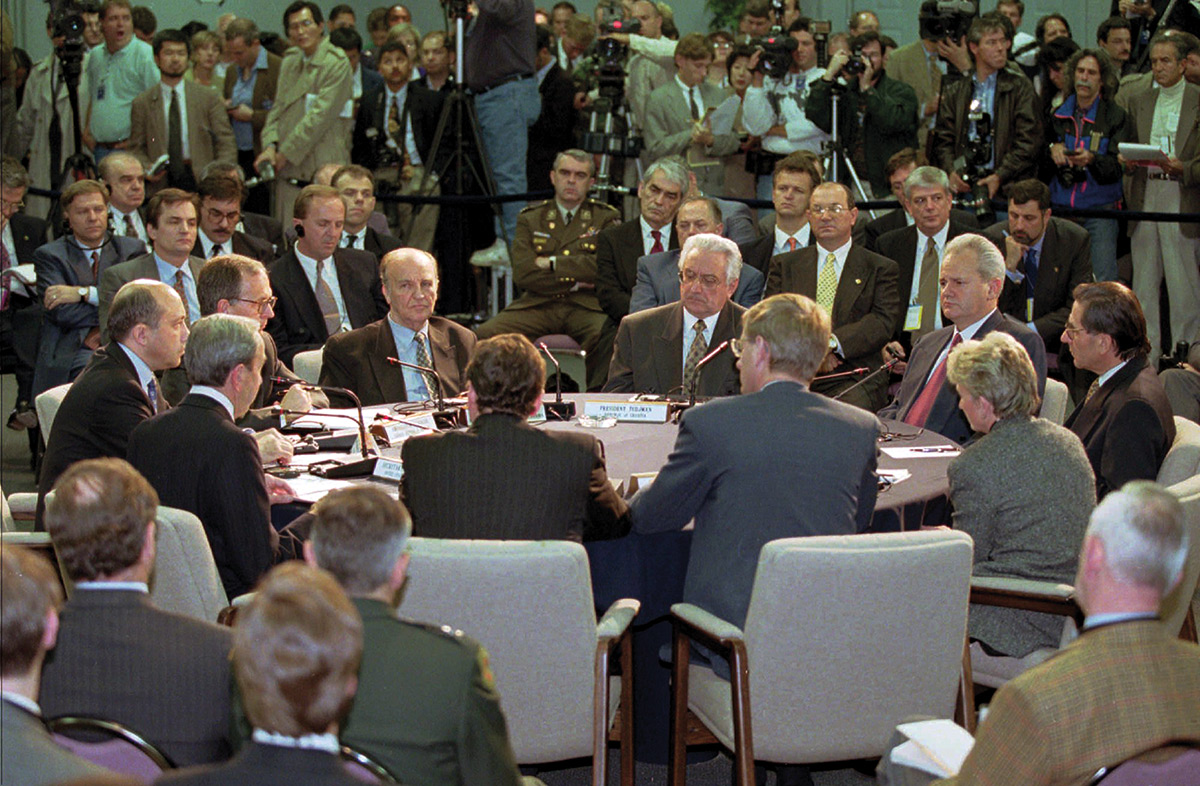
Croatian military victories brought about significant changes in Bosnia and Herzegovina, as half of its territory was liberated in autumn of 1995, forcing Belgrade to the negotiating table. In Dayton (OH) the United States organized 3-week long negotiations to end the war in Bosnia and Herzegovina, home to its three "constituent peoples": Bosniaks, Croats and Serbs, constituting 44%, 18% and 31% of the population, respectively. The negotiations between the Bosnian, Croatian and Serbian presidents took place behind closed doors. The Accord divided the country into two entities – the Federation of Bosnia and Herzegovina (Croat-Bosniak part, forming 51% of the territory) and Republika Srpska (Bosnian Serb Republic, forming 49% of the Bosnian territory). In return for Croatian concessions to Serbs in western Bosnia, the latter accepted to surrender to the Bosniaks the territories around the Bosnian capital Sarajevo, which had been under siege since 1992.