2003
February
Photo: HINA
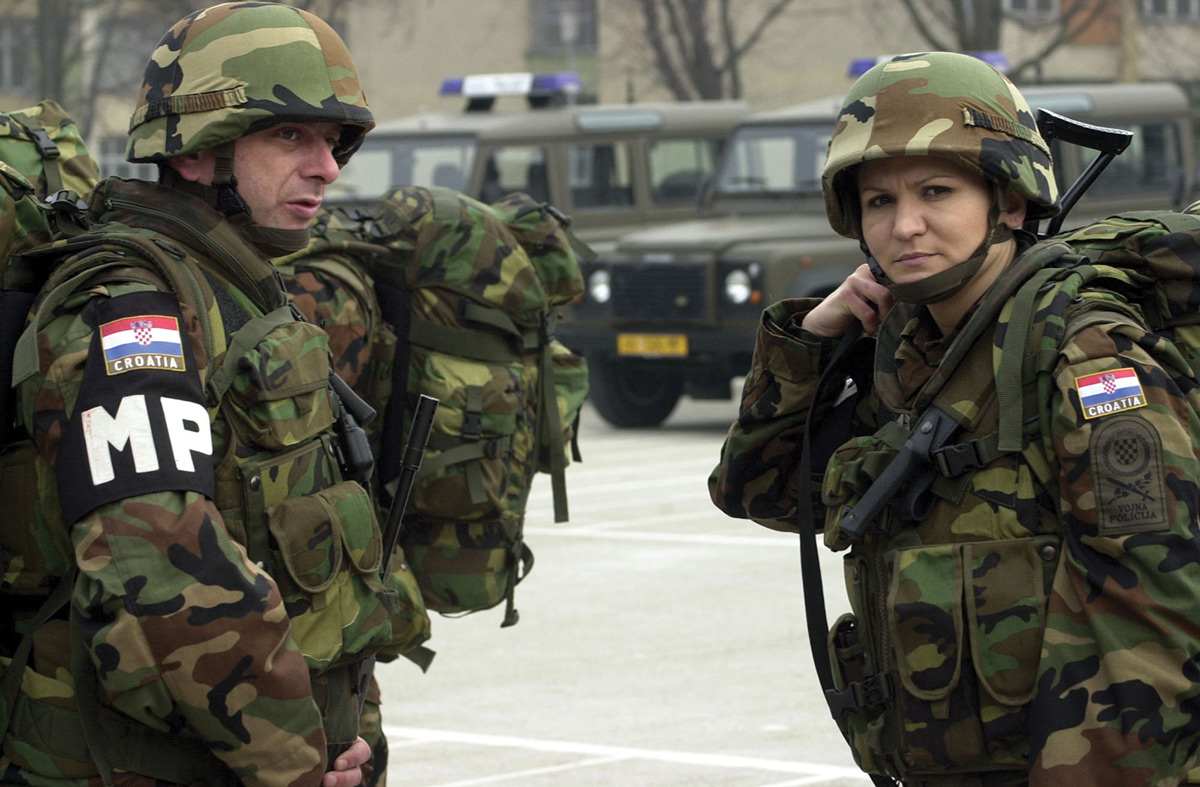
First contingent of the Croatian army joins NATO's mission in Afghanistan
Barely five years after the last UN blue helmet peacekeeper left Croatian territory, no longer in need of international solidarity, Croatia was able to contribute actively to the efforts of the international community in war and in zones of instability. It put at the service of collective security and peace the experience Croatian soldiers had gained during the War of Independence. In 2016, under the banner of the UN, NATO or the EU, Croatian soldiers took part in ten peacekeeping missions in the world.
2003
5–9 June
Photo: HINA
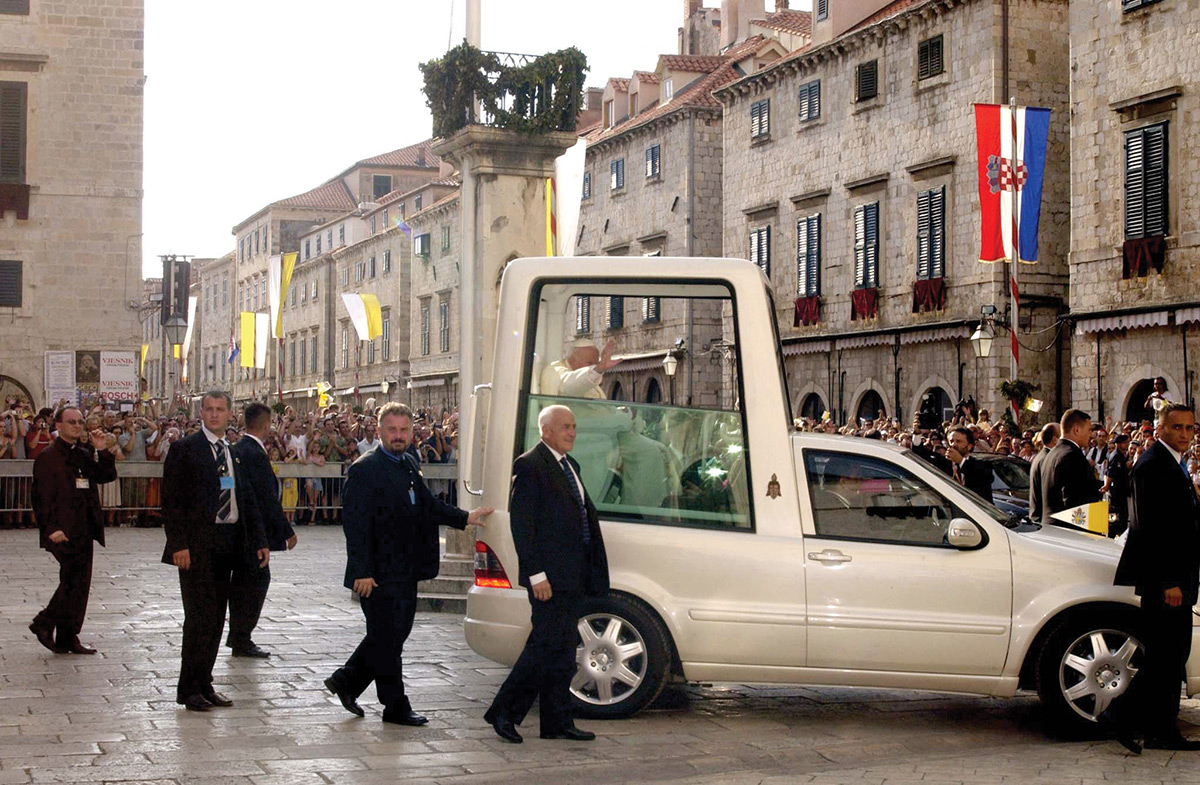
Pope John Paul II's third pastoral visit to Croatia and the 100th papal visit abroad
On the occasion of his third visit to Croatia, the Pope visited Rijeka, Osijek, Đakovo, Zadar and Dubrovnik (photo). The history of the Church in Croatia dates back to the dawn of Christianity: Saint Maurus of Parentium, the Bishop of Poreč, Saint Domnius, the Bishop of Salona, and Saint Anastasius were among the first Christian martyrs; Saint Jerome, the father of the Church and the author of the first Bible translated into Latin, was born in Dalmatia and is its patron saint, as well as Pope John IV, (640–642), native of Dalmatia; the City of Split is home to one of the most ancient cathedrals in the world; and Croats, whose Christianisation began in 641, were the first Slavs to embrace the Christian faith. Finally, if Latin was the universal language of the Catholic Church until Vatican II (1962–1965), from the 9th century on, Croats had the unique privilege to say mass in Croatian and to use the Glagolitic alphabet instead of Latin.