2003
25 September
Photos: HTZ / Ivo Pervan (left), Pablo BM (upper right), HTZ / Renco Kosinović (lower right)
A new Nature Protection Act
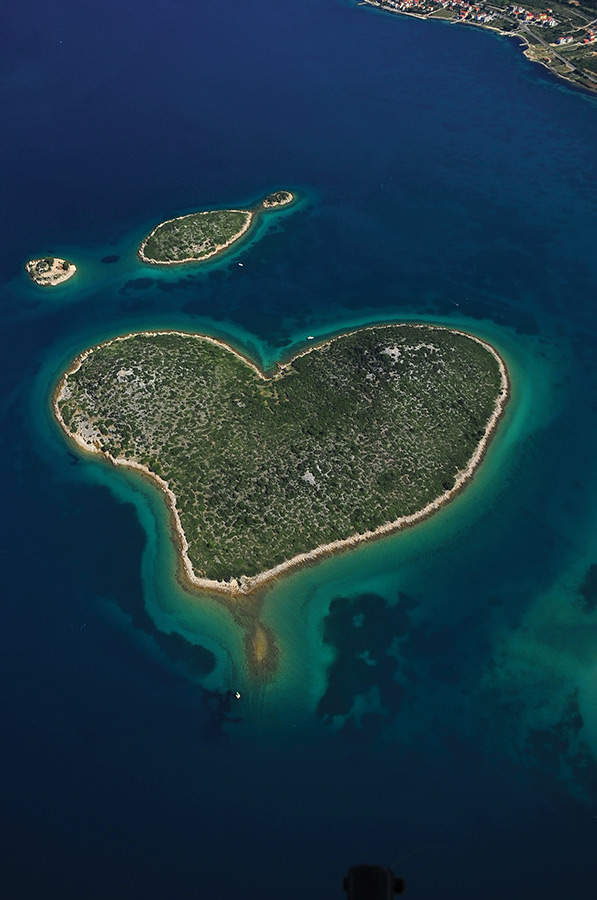
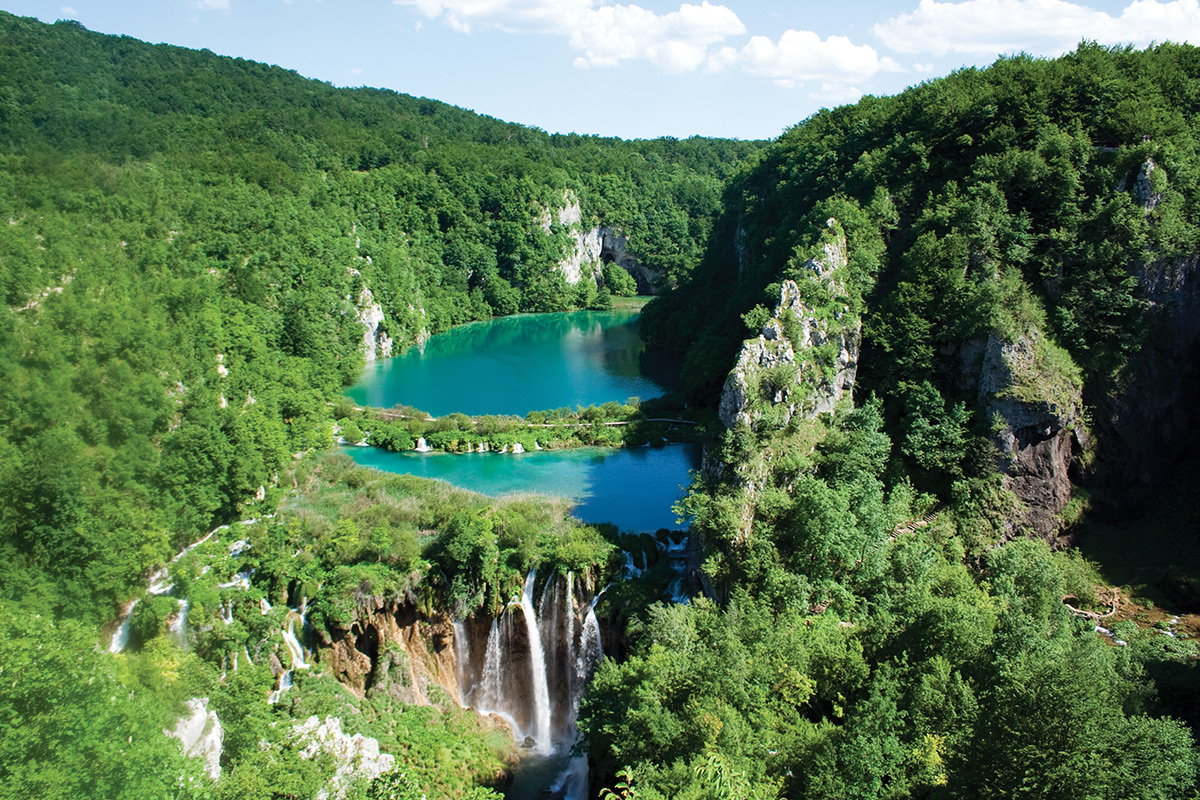
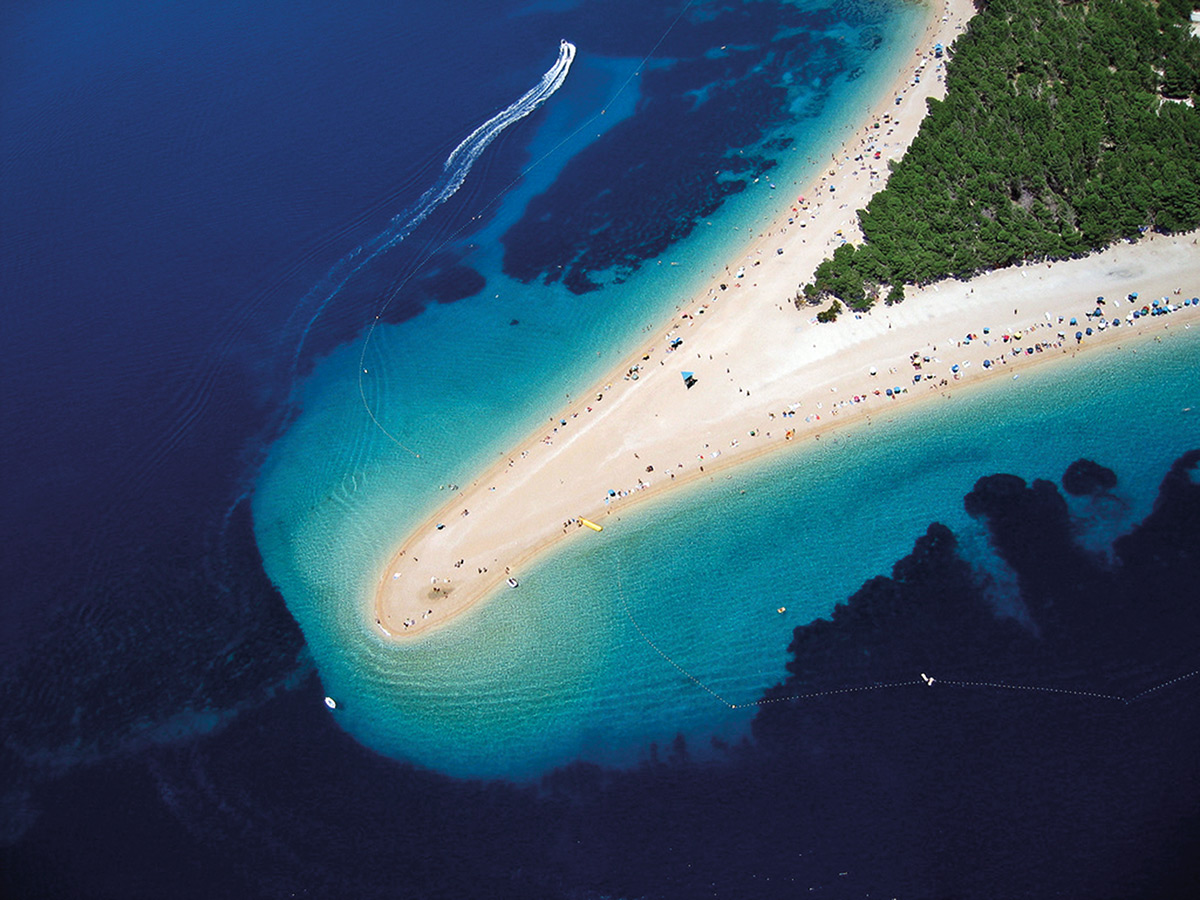
More than 10% of Croatia's territory consists of protected areas, namely two strict reserves, eight national parks and 11 nature parks, where you can still come across wolves, lynxes and bears. A natural miracle, the Plitvice Lakes National Park, which was inscribed on the UNESCO World Heritage List in 1979, encompasses a series of 16 terraced lakes and one of the rare primeval forests of Europe. In terms of freshwater resources per inhabitant, Croatia is third in Europe, just behind Iceland and Norway. Besides, thanks to its 1244 islands and islets, the total length of its coastline reaches 5835 km, which makes it the third longest in the Mediterranean, after Greece and Italy.