1992
21 February
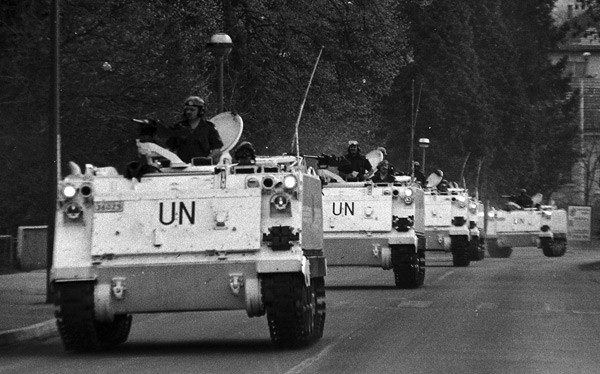
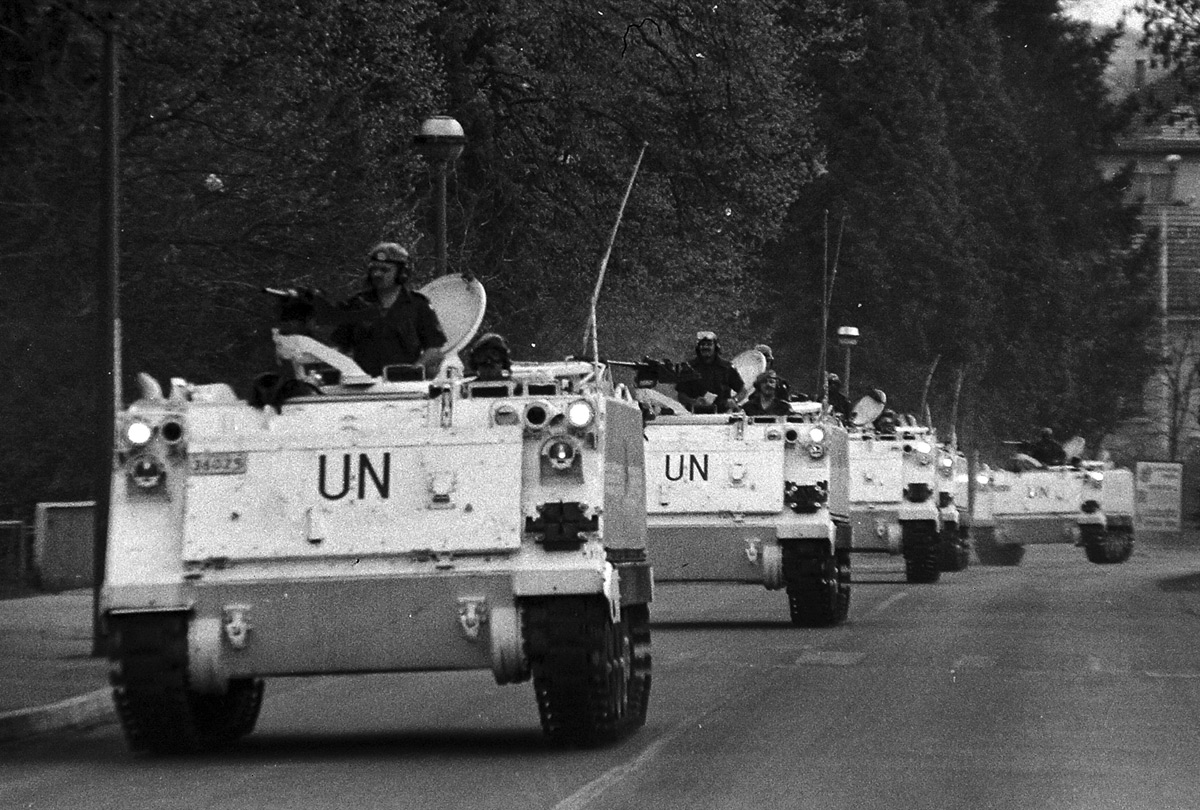
Photo: HMDCDR / Toni Hnojčik
Deployment of UN blue helmets to Croatia
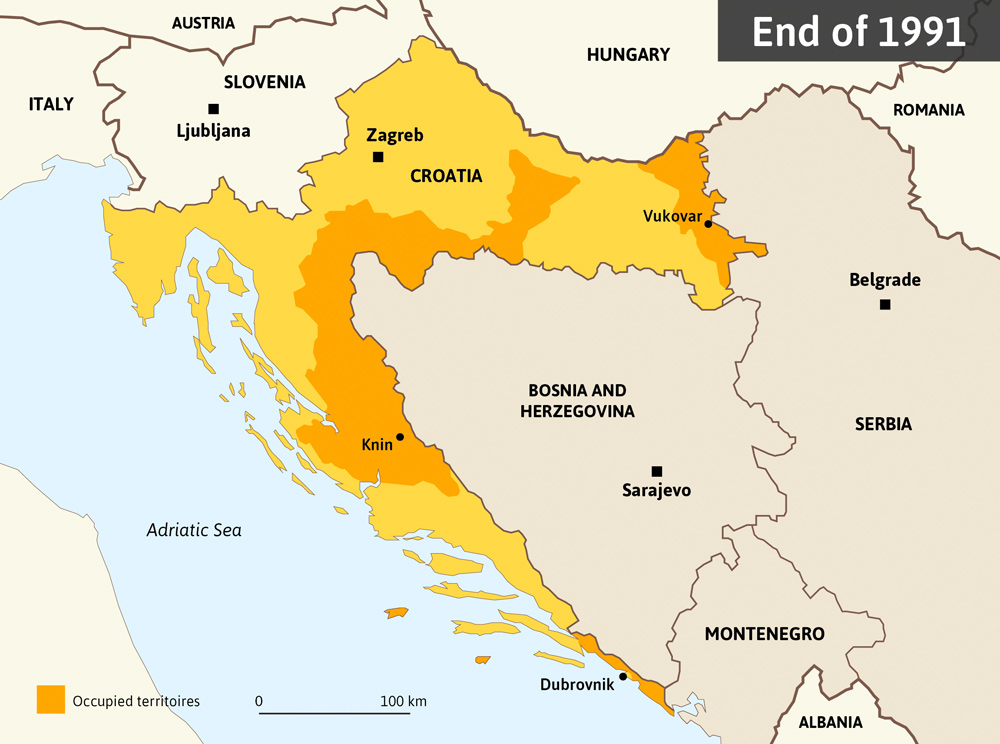
Established by UN Security Council Resolution 743, the peacekeeping mission of the United Nations Protection Force (UNPROFOR) was deployed to the occupied territories of Croatia from where most Croats were driven. The mission consisted of ensuring the demilitarisation of the three United Nation Protected Areas (UNPA) in Croatia. Though they succeeded in enforcing the ceasefire, they did not succeed in demilitarizing these areas, or in ensuring the return of 250,000 Croatian refugees. While the UN blue helmets were taking up positions in Croatia, neighbouring Bosnia and Herzegovina entered into war. The Serb separatists besieged its capital, Sarajevo, and conquered two thirds of the country, further aggravating the situation in Croatia.
1992
Spring
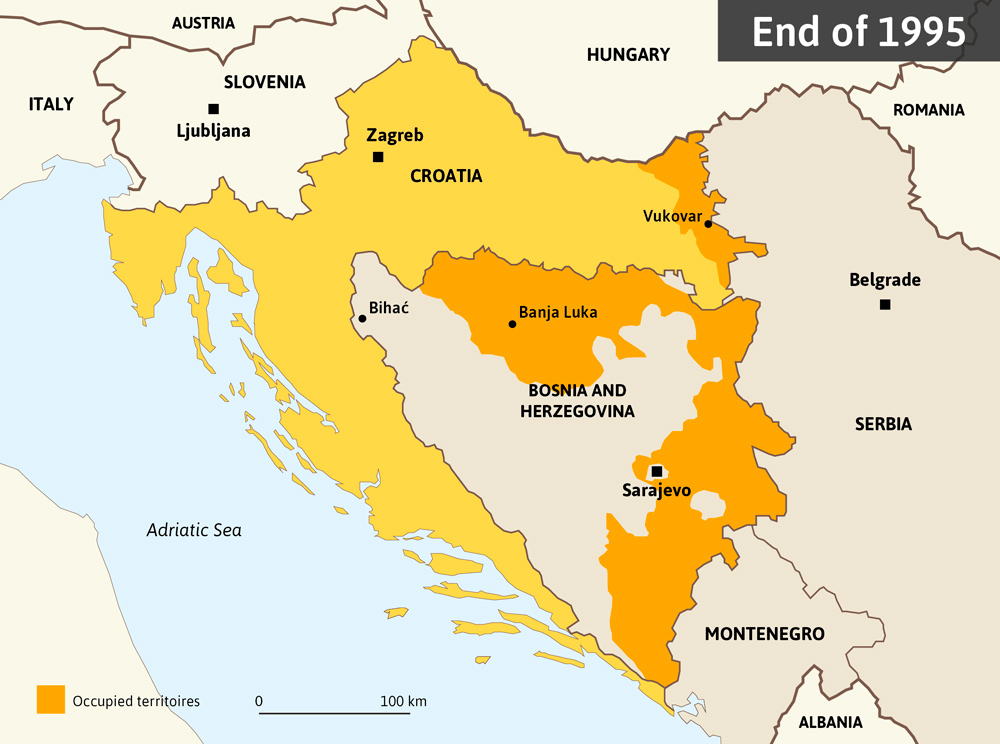
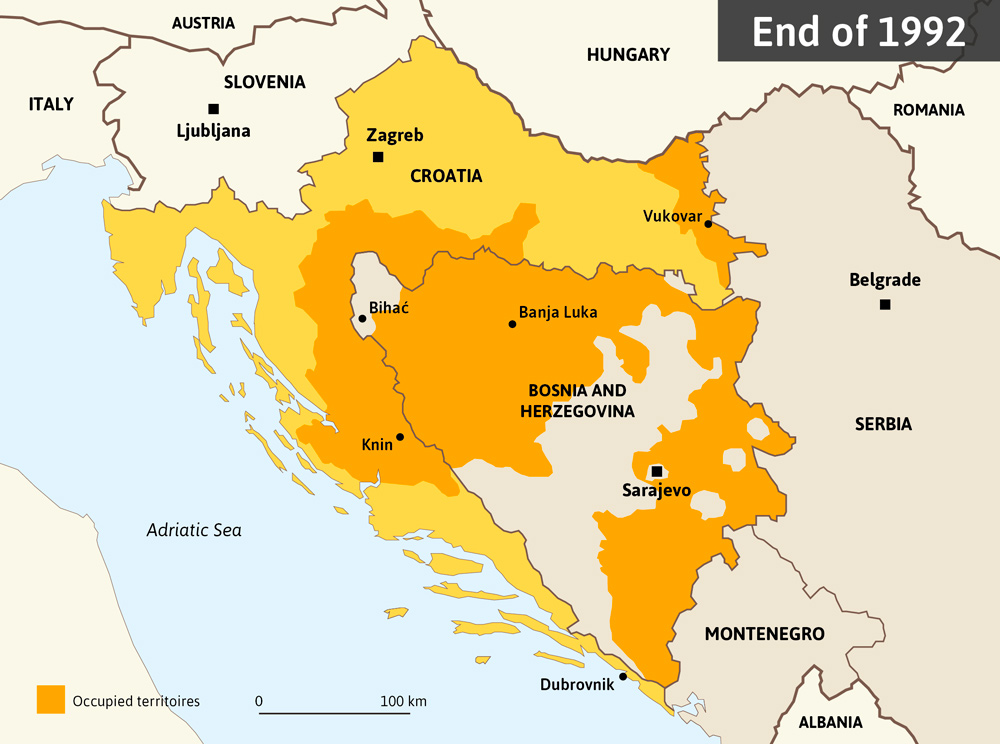
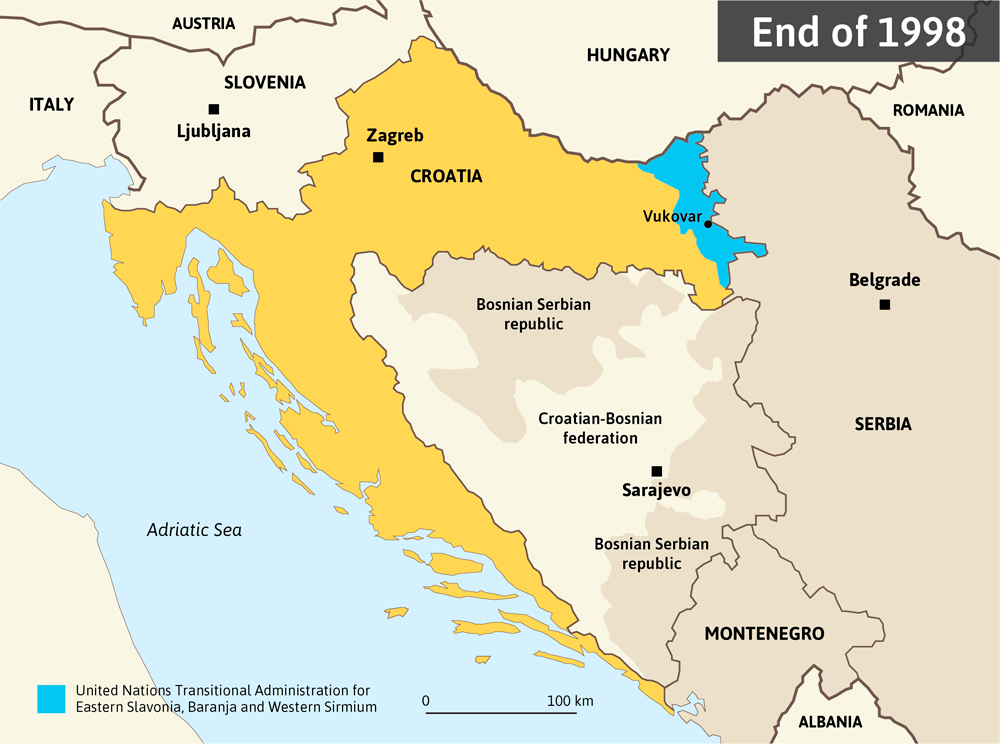
Infographic: Dražen Karaman
War spreads to neighbouring Bosnia and Herzegovina
After Croatia, war engulfed Bosnia and Herzegovina. Serb separatists rejected the result of their referendum on independence, supported by Bosnian Croats (18% of the population) and Bosniaks (44%), but boycotted by Bosnian Serbs (31%). Supported by the "federal" army, the Serbs began a siege of Sarajevo and seized two thirds of the country in six months, forcing 2 million people to flee their homes as refugees. Close collaboration of the separatists of both countries weighed on the situation in Croatia. In 1995, the Croatian Army, which was equipped in the meanwhile, liberated most of the occupied areas in Croatia and western Bosnia, leading to the Dayton Peace Accords. However, it was not until January 1998, at the end of a transition supervised by the UN, that the Croatian territory was reunified, and eastern Slavonia with the town of Vukovar reintegrated.