2023
1er janvier
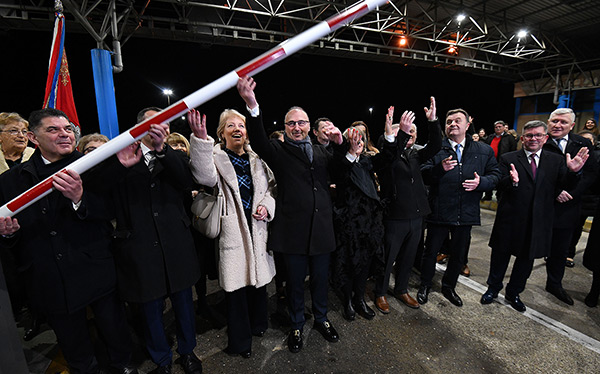
Photo: Vjeran Žganec Rogulja / PIXSELL
Croatia joins the Schengen Area
On January 1st at midnight, Croatia became the 27th full member of the Schengen Area, the European zone without internal border controls. This is especially important as two-thirds of tourists visiting Croatia, now among the top 25 tourist destinations worldwide, come from the Schengen Area. To achieve this, Croatia had to successfully pass all evaluations related to controlling the EU's external land border, especially since Croatia's segment is the longest, stretching over 1,351 kilometers (even surpassing the length of the Finnish-Russian border). The border police, which with 7,000 officers constitutes a third of the police force, was reinforced and modernized with state-of-the-art equipment, allowing for round-the-clock surveillance of the borders with Bosnia and Herzegovina, Montenegro, and Serbia. This enables Croatia to effectively combat illegal immigration and criminal human trafficking networks.
2023
1er janvier
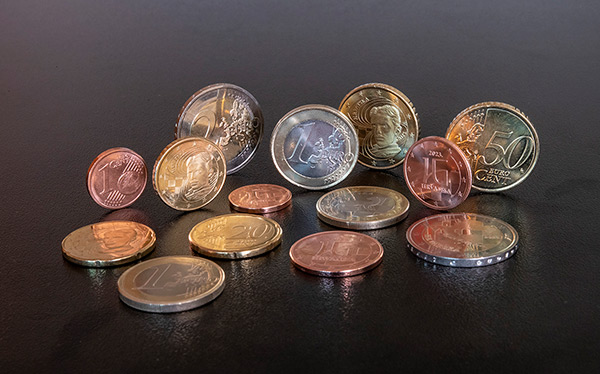
Photo: HNB
The euro succeeds the kuna
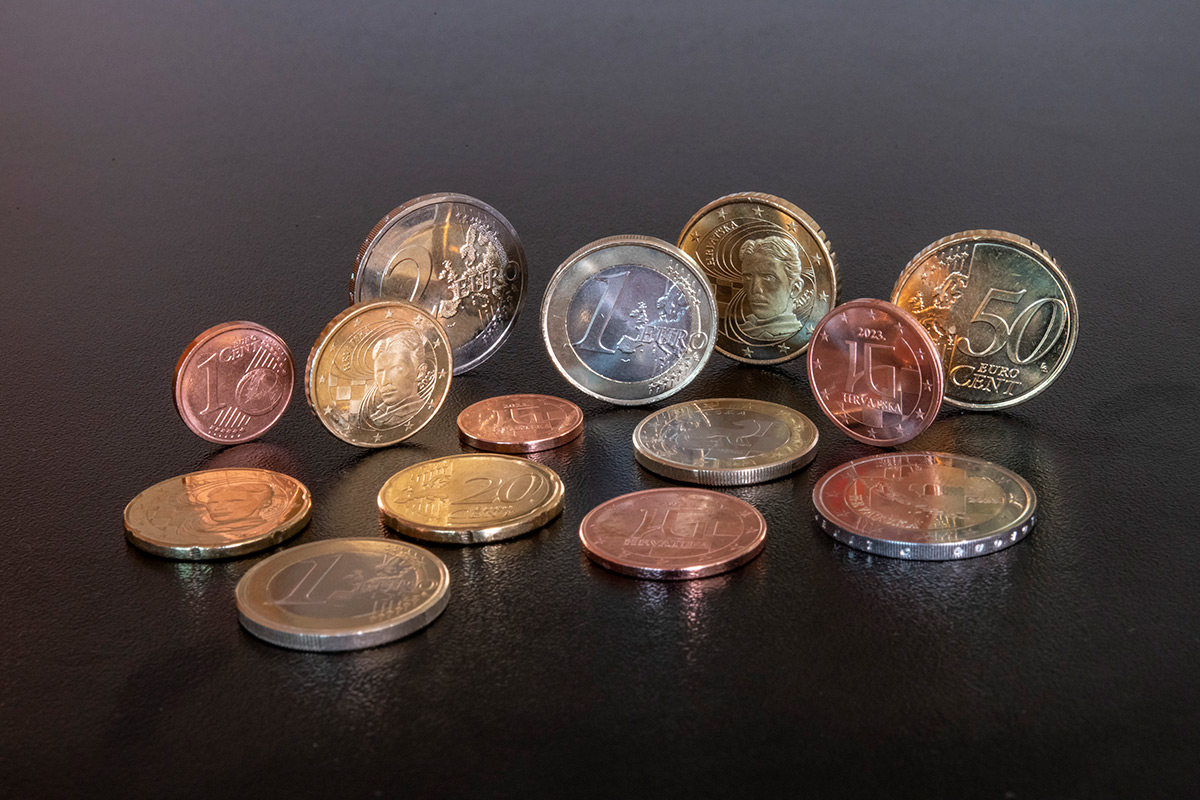
Simultaneously with joining the Schengen Area, Croatia also joined the Eurozone, the second key objective of the government. The adoption of the euro, the second most important currency after the dollar, has greatly facilitated trade with Eurozone countries, which account for 60% of Croatia's foreign trade. It has also strengthened the country's economic stability, making Croatia the only country in the world to have its credit rating upgraded by two notches by the three major financial rating agencies between the start of the Covid-19 pandemic and 2024. Croatian euro coins, which have now replaced the kuna, are adorned with national motifs: the Croatian coat of arms, the map of Croatia, the marten (kuna), the likeness of Nikola Tesla, Glagolitic script, and verses from Gundulić's "Hymn to Liberty." By now being among the 16 countries that are members of NATO, the European Union, the Schengen Area, and the Eurozone, Croatia has joined the core of Europe.